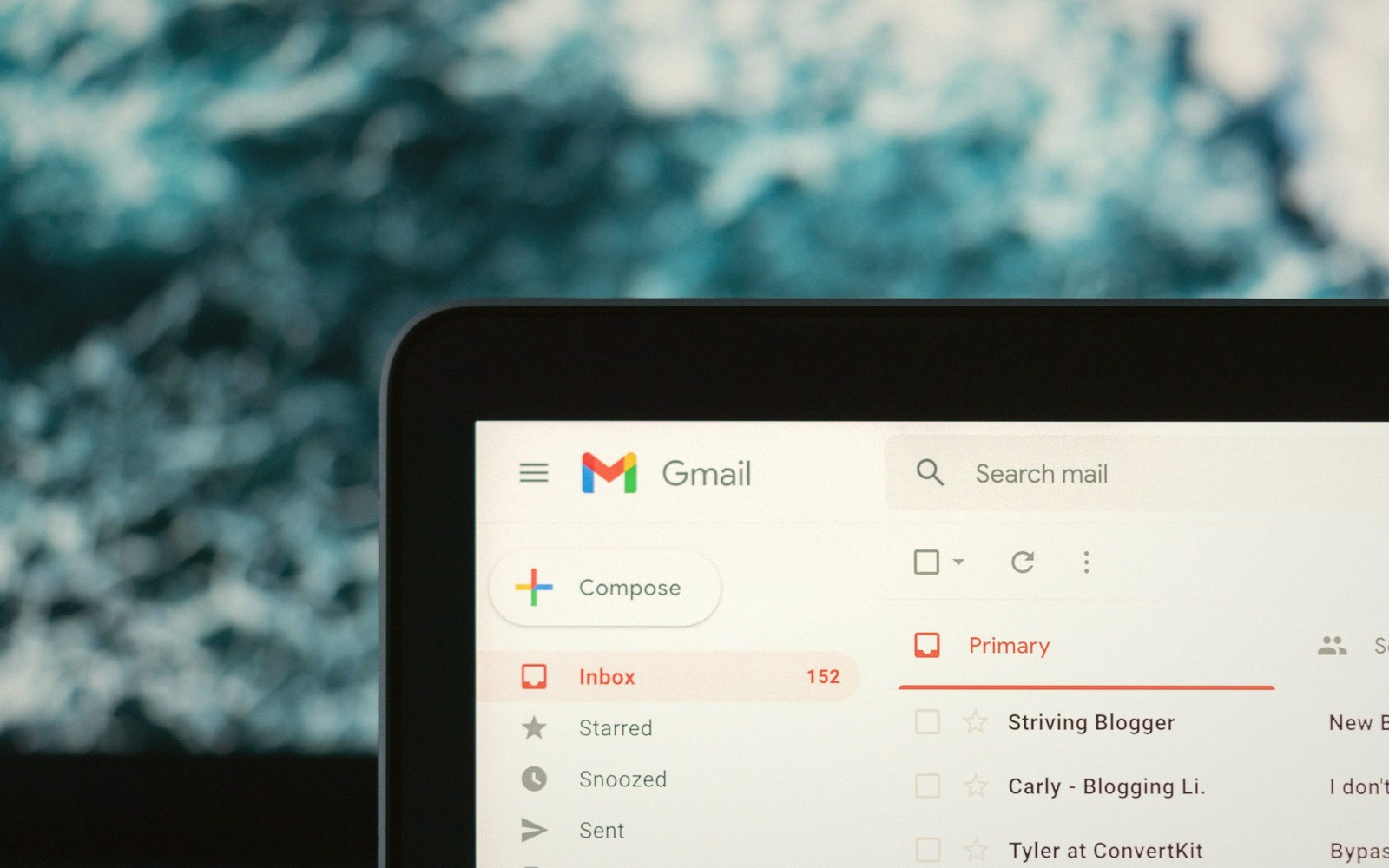
Your social following is borrowed; your mailing list is yours
Every writer who has built an audience on a social platform eventually learns the same lesson, usually at the worst possible moment: the platform changes the rules, and the readers disappear. A follower count is not an audience — it is a loan, callable on demand, at terms you never agreed to. An email list is something else entirely. It is a direct line between you and the people who asked to hear from you, and no algorithm stands between your words and their inbox.
This is not a technicality. It is the most consequential structural difference in independent publishing.
When you post on a social platform, the platform decides who sees it. Reach is rationed — sometimes aggressively — because scarcity of attention is how the platform sells advertising. Even on newsletter-native platforms like Substack, where emails do land directly, the platform still mediates discovery, curates recommendations, and can change the rules of that curation tomorrow. Ghost and a self-hosted WordPress installation with a mailing tool give you more control still: your subscriber data lives with you, exports cleanly, and goes where you go. The readers you earn on any platform are worth protecting. The readers on your list are yours to keep.
Why email converts — and how to start
There is a practical reason writers who sell books, courses, or simply their own sustained attention swear by email: it works. Open rates for small, engaged lists routinely outperform the organic reach of social posts by a significant margin. The person who handed over an email address made a decision. They opted in. That micro-commitment matters — it means the relationship begins with genuine intent rather than a passing scroll.
None of this requires a large existing following. In fact, the early-list phase is among the most valuable, because the subscribers you gain before you are widely known tend to be your most loyal. They found you on purpose. The first real readers often come from tighter, more deliberate places than a viral moment — a comment you left on someone else's post, a piece you shared in a small forum, a recommendation from one person to one other person. Those readers, converted to email, compound.
Starting is simpler than it feels. Pick a tool — Mailchimp, ConvertKit, MailerLite, or the built-in email function on Substack or Ghost if you prefer an integrated setup — and create a signup form. Write a sentence that tells a potential subscriber exactly what they will receive and roughly how often. Be honest and specific: a short essay on writing and memory, most Thursdays beats musings on life and creativity every time. Specificity is a promise, and a kept promise is the foundation of trust.
Then give people a reason to hand over their address. Not a gimmick — a genuine piece of your best work, delivered free on signup, or the simple assurance that what arrives in their inbox will be worth the space. If your writing is good, that assurance is enough.
The slow build, and why it matters
An email list grows slowly at first. This is normal, and in a useful sense it is good. Slow growth means each new subscriber is a real person who made a real choice. The vanity metric trap — the one that makes writers obsess over follower counts and refresh dashboards — is harder to fall into when the numbers move in single digits. That forces attention back where it belongs: the writing itself, the consistency of showing up, the quality of what lands in someone's inbox.
Growing a readership without losing your mind almost always involves shifting your gaze from aggregate numbers to individual readers. Email makes that shift natural. You see reply rates, not just opens. Occasionally someone writes back. That reply — one reader, one sentence — is worth more as signal, and as fuel, than a hundred passive likes.
Build the list in parallel with everything else you do: link to your signup from your bio, your published pieces, your social profiles. Make it easy to find. Then make it worth finding, every time you send.
The algorithm will change again. Your list will still be there.